


Pediatric Orthodontics
Treatment Menu
Pediatric Orthodontics
歯科ハミール
We check a growing child’s tooth alignment and bite, and consider whether treatment is needed and when to start it, based on their stage of growth.
About Pediatric Orthodontics
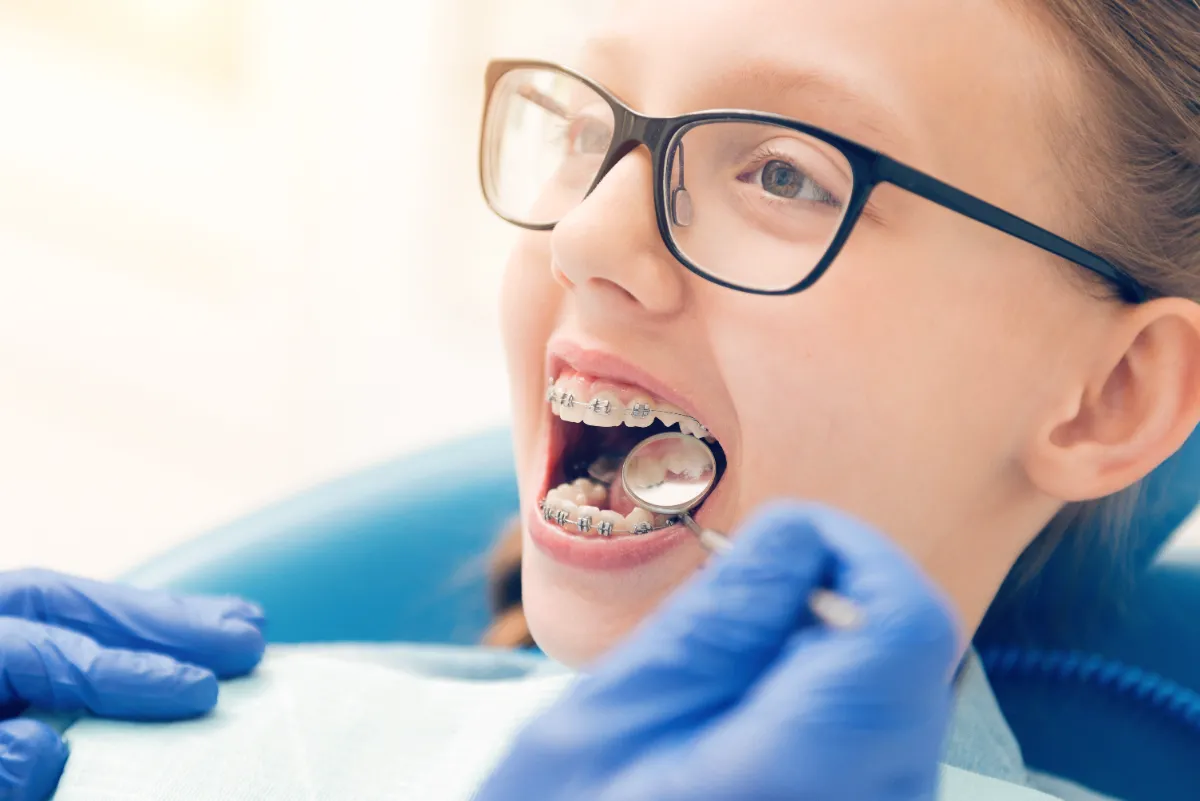
Pediatric orthodontics is carried out while watching how the jawbone develops and how baby teeth are replaced by adult teeth. Starting earlier isn’t always better — depending on the symptoms, watching how things progress can sometimes be the more suitable approach. Additional orthodontic treatment may also be needed after all the adult teeth have come in.
Benefits of Pediatric Orthodontics
Guiding Growth by Making Use of the Jawbone’s Development
During the growth years, the jawbone is still developing. Treating a child during this period makes it possible to create the space needed for the teeth to line up while making use of that jaw growth.
Can Lower the Chance of Needing an Extraction
Starting orthodontic treatment only after all the adult teeth have come in often means there isn’t enough space to line them up, making extraction more likely. Creating space in the jaw early on helps raise the chances of avoiding extraction.
Can Help Shorten the Treatment Period
Laying the groundwork during the growth years can sometimes mean no further treatment is needed once all the adult teeth have come in, or that the treatment period is shorter.
Signs It’s Worth Consulting Us Early
The Bite Between the Upper and Lower Teeth
Cases such as an underbite, protruding front teeth, or front teeth that don’t meet when biting.
Space for the Teeth to Line Up
Cases where there isn’t enough space for the adult teeth to come in, or the teeth overlap significantly.
Oral Habits
Habits that could affect tooth alignment, such as mouth breathing, tongue thrusting, or thumb sucking.
About Phase 1 and Phase 2 Treatment
Pediatric orthodontics is thought of in two stages, matched to a child’s growth: Phase 1 treatment and Phase 2 treatment.
Phase 1 Treatment (Around Ages 6–12)
This is carried out during the period when baby teeth are being replaced by adult teeth. The aim is to secure the space needed for the teeth to line up while making use of jaw growth, and to adjust the bite.
Phase 2 Treatment (From Around Age 12)
This is treatment carried out after all the adult teeth have come in. Laying the groundwork with Phase 1 treatment can sometimes make Phase 2 treatment unnecessary, and even when it is needed, it can lighten the burden of treatment.
Treatment process
Initial consultation
We ask parents and the child about what concerns them and about their daily habits.
Growth and Tooth Alignment Examination
We check how the teeth are coming in, how the jawbone is developing, and the state of the bite.
Explaining When and How to Start
We explain the treatment approach, including whether to start treatment right away or watch and see for now.
Treatment With an Appliance
We use an appliance matched to the child’s condition, and regularly check on their growth and how the teeth are moving.
Follow-Up and Retention
We continue checking on tooth replacement and growth, and consider the next stage of treatment as needed.
A Note to Children and Families
Wearing the appliance for the required time, coming in for visits, and daily cleaning all need the family’s cooperation. We explain in advance things such as the discomfort the appliance may cause, the risk of cavities, its effect on the tooth roots and gums, and relapse after treatment, and work with you to plan something that doesn’t ask too much.
FAQ
Q1. About What Age Can We Start Consulting You?
As a general guide, it’s around age 6, when baby teeth start being replaced by adult teeth. Since children grow at different rates, we recommend coming in for a consultation whenever something concerns you — after checking your child’s condition, we’ll let you know the right time to start.
Q2. Is Treatment Painful?
For a few days right after starting to use an appliance, or right after an adjustment, your child may feel a pressing, unfamiliar sensation. In most cases they gradually get used to it, but if strong pain continues, please contact us.
Q3. How Long Does the Appliance Need to Be Worn?
The recommended wearing time depends on the type of appliance. Please follow the specified wearing time except when eating or brushing — this is important for keeping treatment on schedule.
Q4. Will It Affect Sports or After-School Activities?
The effect depends on the type of appliance. If you have concerns about things like sports or playing a musical instrument, please ask us about the type of appliance and how to use it at your appointment.
Q5. Is It Too Late to Start After All the Adult Teeth Have Come In?
Orthodontic treatment is still possible even after all the adult teeth have come in. That said, starting treatment during the growth years has benefits such as making use of jaw growth and lowering the chance of needing an extraction, so if you have any concerns, we recommend consulting us early.
Booking & Inquiries